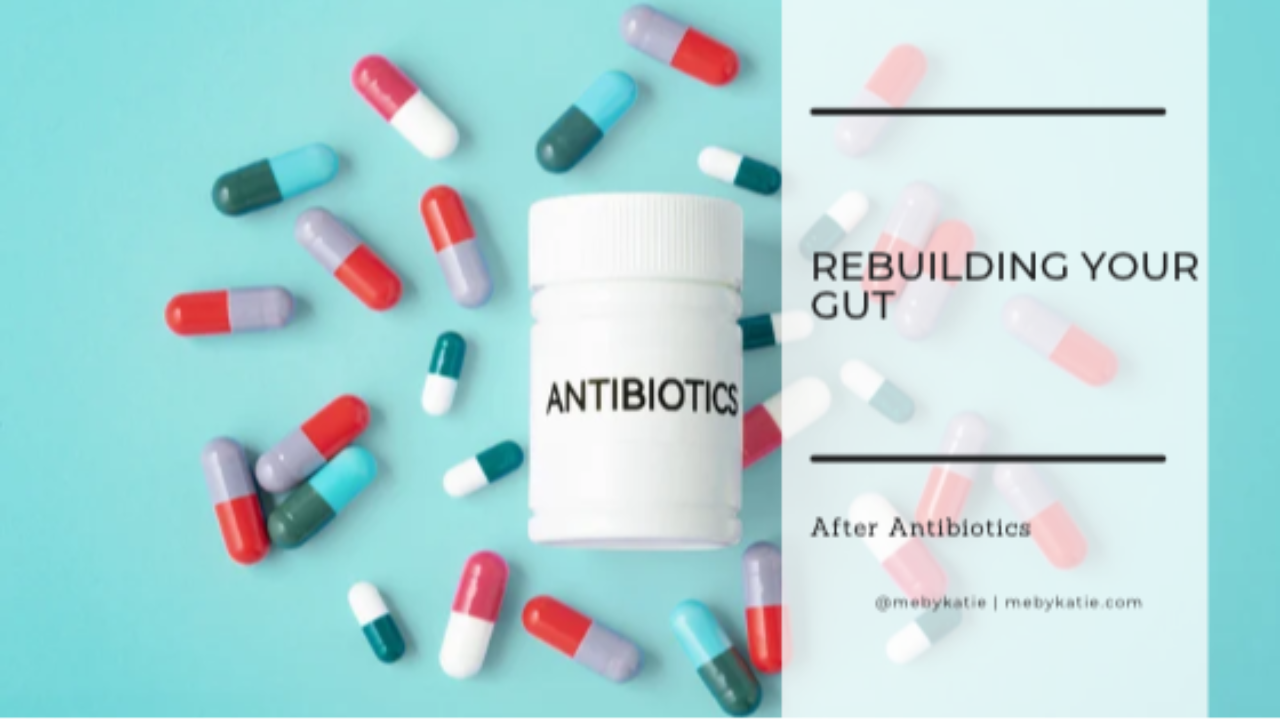
Rebuilding Your Gut After Antibiotics
Nov 04, 2026Antibiotics do an important job when you need them, clearing an infection your body can't handle on its own, and it is worth being grateful they exist. What often gets left out of the conversation is what they do on their way through: they wipe out a good share of the beneficial bacteria in your gut right alongside the harmful ones. The medicine cannot tell the difference, so it clears the field, and afterward your gut has to rebuild what it lost. That rebuilding takes more than a week of yogurt and a hopeful attitude, and knowing what it genuinely involves helps you support your body through it instead of wondering why you still feel off a month later. Here is what the process asks of you.
1. Give It More Time Than You Think
The most common mistake is expecting your gut to bounce back in a few days, when the real timeline is closer to weeks, and sometimes months, depending on the course you took and how your gut was doing beforehand. Your microbiome is a living community, and communities don't regrow overnight. Expecting a slow rebuild rather than a quick fix saves you a lot of frustration and keeps you from giving up right when your efforts start to work. Patience is genuinely part of the protocol here, as unsatisfying as that is to hear.
2. Feed the Bacteria You Want to Come Back
Rebuilding is less about adding bacteria and more about creating the conditions for the good ones to repopulate, which means feeding them well. The beneficial bacteria you want back thrive on fiber, so a steady stream of vegetables, fruits, beans, oats, and a wide variety of plants gives them the fuel to grow. The more different plant foods you can work in across a week, the broader the range of good bacteria you support. This is the daily, unglamorous work that actually does the rebuilding, far more than any single product you could buy.
3. Bring In Fermented Foods Gradually
Fermented foods like yogurt with live cultures, kefir, sauerkraut, kimchi, and miso introduce beneficial bacteria directly, and they've earned their reputation. The key word is gradually, since a gut that has been through antibiotics can be a little sensitive, and flooding it with a mountain of fermented food all at once sometimes backfires with bloating and discomfort. Start small and build up as your gut settles to get the benefits without the rough adjustment. A few spoonfuls of sauerkraut or a daily serving of good yogurt is a fine place to begin.
4. Know That a Probiotic Supplement Is Not the Whole Answer
A probiotic can help rebuild, but it's important to be honest: a capsule alone will not repopulate your gut if you keep eating the same way that depleted it. The bacteria in a supplement need the same fiber-rich environment to take hold, so a probiotic works best alongside food, not instead of it. If you want to use one, talk with a practitioner about which type and for how long, since the right choice depends on your situation rather than what is on sale at the store. The food-first approach is what makes any supplement worth taking.
5. Support Your Gut Lining While It Recovers
Beyond the bacteria, your gut lining also benefits from gentle care during this stretch. Cooked, easy-to-digest foods, plenty of hydration, bone broth (if that appeals to you), and foods rich in the nutrients your gut uses to repair all support the physical tissue while the bacterial community regrows. Easing back on things that irritate an already sensitive gut, like lots of alcohol, heavily processed foods, and excess sugar, gives the whole system a calmer environment to heal. This is a good window to be a little gentler with your gut overall.
6. Mind Your Stress and Sleep Too
It is easy to think of gut rebuilding as purely a food project, but stress and sleep genuinely shape how well it goes. Chronic stress and poor sleep both work against a healthy microbiome, so this is a stretch where protecting your rest and building in real ways to settle your nervous system pays off in your gut as much as anywhere. Calm, well-rested conditions let your body put energy toward rebuilding rather than managing a constant stress load. The gut heals best in a body that feels safe and supported.
Rebuilding your gut after antibiotics comes down to giving it real time, feeding the good bacteria with a wide range of fiber-rich foods, easing in fermented foods, using supplements thoughtfully rather than as a magic fix, supporting the gut lining, and tending to your stress and sleep along the way. This is patient, everyday work rather than a quick reset, and going in knowing what it genuinely takes lets you support your body through the rebuild instead of expecting it to happen on its own. If anything feels stubborn or slow to improve, a knowledgeable practitioner can help you figure out what your gut needs.
Content Copyright © 2026, MBK Cultivate Skin & Nutrition Wellness
Permission to Reprint
You may use any items from this article in your print, blog, magazine, or electronic newsletter. You must include the following paragraph, with a link to www.mebykatie.com:
"Information courtesy of www.mebykatie.com. Katie Marshall is a Certified Medical Esthetics Practitioner, Integrative and Functional Nutritionist, and Holistic Chef specializing in skin, gut, hormone, and whole-body health. Her work is rooted in functional nutrition, addressing root causes rather than just managing symptoms, with a personalized, holistic approach that works alongside your existing medical team."
Health & Medical Disclaimer
The content shared by MBK Cultivate Skin & Nutrition Wellness across social media, our website, and any other distributed materials is intended for educational purposes only and reflects Katie Marshall's personal and professional opinions. While care has been taken to confirm accuracy and reflect generally accepted practices, this content is not a substitute for professional medical advice, diagnosis, or treatment, and should not be relied on as one.
Katie Marshall is not a doctor or medical provider and does not offer medical advice. If you're pregnant, nursing, managing a medical condition, or taking medication, consult your physician or a qualified healthcare provider before making changes based on this content. Never delay or disregard professional medical advice because of something you've read here.
If you're experiencing a medical emergency, contact your physician, go to the nearest emergency department, or call 911 immediately.
Use of this content, and any action taken based on it, is at your own risk. Neither Health Canada nor the FDA has evaluated the statements made here.
Being HEALTHY Doesn't Have to Be Hard!
Get the free 5-Day Hormone Detox:
Free for Estheticians
The Holistic Acne Business Checklist for Estheticians
A business-building guide for estheticians who want to support acne clients with more than products, protocols, and guesswork.
In accordance with federal regulations (CASL), please only provide your email address if you are consenting to receive future emails from MBK Cultivate Skin & Nutrition Wellness regarding news, coaching, programs and skincare products. You will have the opportunity to unsubscribe at any time and your email address will not be shared or sold.

Your diet is integral to hormone health, especially by regulating your gut health, which can have an effect on your skin and mental health.