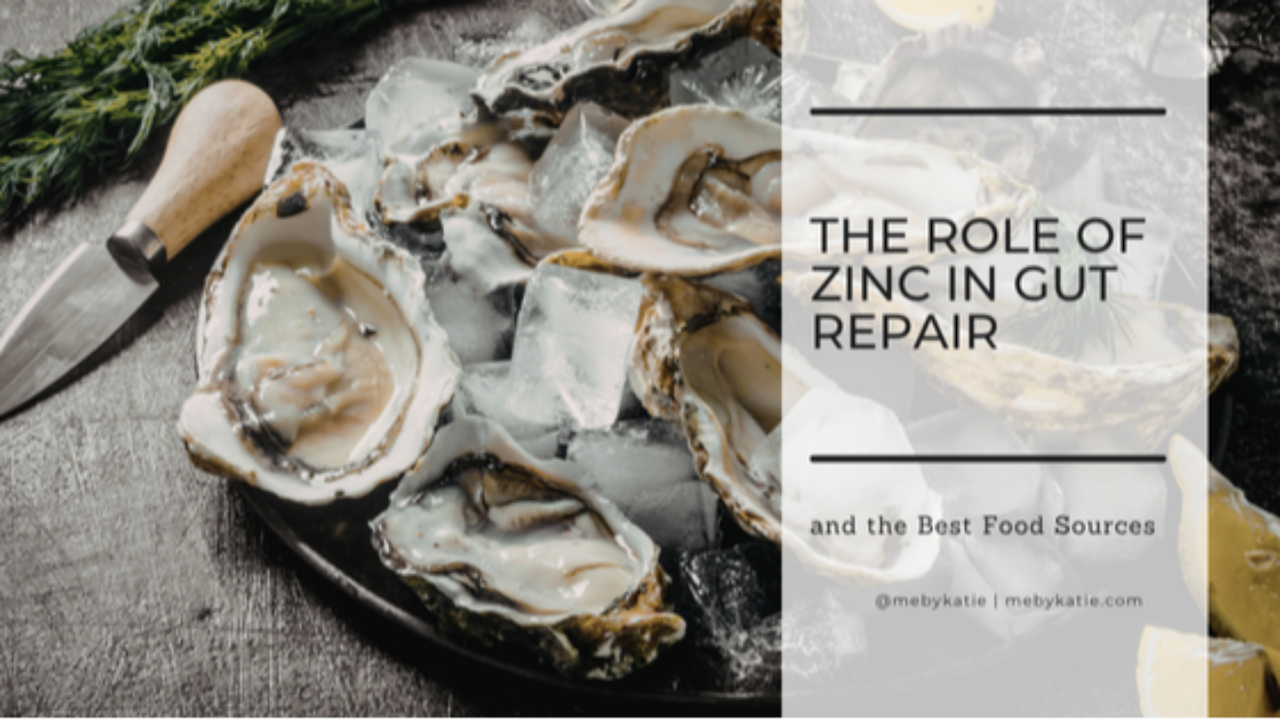
The Role of Zinc in Gut Repair and the Best Food Sources
May 06, 2026When people think about supporting gut health, the conversation often centers on probiotics, fiber, and eliminating problematic foods. While these elements certainly matter, the mineral zinc plays a foundational role in gut repair that frequently goes overlooked. Zinc is involved in maintaining the integrity of the intestinal lining, supporting immune cells in the gut, and facilitating healing processes that allow damaged tissue to regenerate. For anyone working on digestive health, understanding how zinc supports gut function and ensuring adequate dietary intake are important parts of the larger picture.
Here are eight ways zinc supports gut repair, along with the best food sources to include in your eating pattern.
1. Zinc helps maintain the tight junctions between intestinal cells
The cells lining the intestinal wall are connected by structures called tight junctions, which control what passes from the gut into the bloodstream. Zinc plays a role in maintaining the integrity of these junctions, helping to ensure that the intestinal barrier functions properly. When tight junctions are compromised, larger particles may pass through, triggering immune responses and inflammation, creating a cycle that worsens gut symptoms.
2. Zinc supports the production of new cells in the gut lining
The intestinal lining turns over rapidly, with cells being replaced every few days. This constant regeneration requires adequate zinc because the mineral is essential for cell division and growth. When zinc status is low, the gut's ability to replace damaged cells and maintain a healthy lining may be impaired, potentially slowing the repair process for those working to heal digestive issues.
3. Zinc contributes to digestive enzyme production
Adequate zinc status supports the production of stomach acid and digestive enzymes that help break down food effectively. When digestion works well upstream, less undigested material reaches the lower digestive tract, where it can feed problematic bacteria or irritate sensitive tissue. This means zinc indirectly supports gut health by promoting more complete digestion of the foods you eat.
4. Zinc has a role in immune function within the gut
A significant portion of the immune system resides in the gut, and zinc is essential for immune cell function. Adequate zinc supports the activity of immune cells that help maintain the balance of microorganisms in the digestive tract and respond appropriately to potential threats without overreacting and causing inflammation.
5. Zinc status can become depleted during gut issues
Digestive problems can create a cycle where zinc becomes harder to absorb, even as the body's need for it increases. Inflammation, diarrhea, and malabsorption associated with gut issues can all reduce zinc status, potentially impairing the gut's ability to heal. This makes paying attention to zinc intake particularly relevant for those actively working on gut repair.
6. Oysters provide the most concentrated food source of zinc
Just three ounces of oysters can provide several times the daily zinc requirement, making them the most zinc-dense food available. For those who enjoy seafood, including oysters, it provides substantial zinc, along with other minerals that support overall health. Other shellfish, such as crab and lobster, also provide substantial amounts.
7. Red meat and poultry offer well-absorbed zinc
Beef, lamb, and dark meat poultry are reliable sources of zinc that the body absorbs efficiently. The zinc found in animal foods is generally more bioavailable than zinc from plant sources, meaning a higher percentage of what you consume actually becomes available for the body to use. Including moderate amounts of high-quality meat in your diet can help maintain zinc status.
8. Plant sources can contribute when consumed thoughtfully
Pumpkin seeds, hemp seeds, chickpeas, lentils, cashews, and fortified cereals all provide zinc, though plant-based zinc comes with compounds called phytates that can reduce absorption. Soaking, sprouting, or fermenting legumes and seeds can decrease phytate content and improve zinc availability. Those eating primarily plant-based foods may benefit from paying extra attention to including multiple zinc sources throughout the day and considering whether their overall intake adequately meets their needs.
While zinc supplements are available and can be appropriate in certain situations, obtaining zinc from food provides the mineral alongside other nutrients that work together to support gut health. Consuming zinc-rich foods with adequate protein generally enhances absorption, while taking zinc on an empty stomach can cause nausea for some people. Those dealing with significant gut issues or who suspect they may be deficient may find it helpful to work with a practitioner who can assess their individual situation and make personalized recommendations about whether testing or targeted supplementation might be warranted alongside dietary changes.
Content Copyright © 2026, MBK Cultivate Skin & Nutrition Wellness
PERMISSION TO REPRINT: You may use any items from this article in your print, blog, magazine, or electronic newsletter. However, you must include the following paragraph, which should contain a link to www.mebykatie.com.
"Information courtesy of www.mebykatie.com; Katie Marshall is a certified Medical Esthetician, Acne Specialist, Functional Nutrition Counselor, Holistic Chef, and Integrative Nutrition Health Coach. Specializing in skin health, gut health, hormone health, and the whole body. The basic premise is that functional nutrition addresses the root cause and resolves it. This differs from conventional medicine, which often prescribes multiple medications to address symptoms without addressing their underlying causes. Functional nutrition is more personalized, holistic, and customized. My job is to work with your medical team and advocate for you if necessary."
Health/Medical Disclaimer:
The content of MBK Cultivate Skin & Nutrition Wellness, either through these social media pages, websites, or any other materials distributed by MBK Cultivate Skin & Nutrition Wellness, is intended to provide helpful and informative material. Please note that my personal and professional opinions expressed on these social media pages and websites are entirely my own. This site provides information on skin, diet, fitness, health, and nutrition, and is intended in good faith for educational purposes only. Care has been taken to confirm the accuracy of the information and describe generally accepted practices. However, the authors, editors, and publishers are not responsible for errors, omissions, or any consequences from the application of the information in these publications and make no warranty, expressed or implied, concerning the currency, completeness, or accuracy of the publication's contents. It would be best not to rely on this information as a substitute, nor does it replace professional medical advice, diagnosis, or treatment.
I, Katie Marshall, am not a doctor or medical provider and do not provide medical advice. Readers are advised to research and make decisions in partnership with their healthcare provider.
If you are pregnant, nursing, have a medical condition(s), or take any medication(s), please consult your family physician.
Always consult your family physician or other qualified healthcare providers with any questions you may have regarding a medical condition. Never disregard professional medical advice or delay seeking it because of something you read on my social media pages or websites.
If you have a medical emergency, call your family physician, go to the nearest emergency department, or call 911 immediately. Reliance on any information provided by MBK Cultivate Skin & Nutrition Wellness or Katie Marshall, or on content presented for publication on these social media pages or websites, is solely at your own risk. Administrators and Moderators are not liable for your actions.
Health Canada & FDA Disclaimer:
Neither Health Canada nor the Food and Drug Administration has evaluated the advice and statements on this page.
Being HEALTHY Doesn't Have to Be Hard!
Get the free 5-Day Hormone Detox:
Free for Estheticians
The Holistic Acne Business Checklist for Estheticians
A business-building guide for estheticians who want to support acne clients with more than products, protocols, and guesswork.
In accordance with federal regulations (CASL), please only provide your email address if you are consenting to receive future emails from MBK Cultivate Skin & Nutrition Wellness regarding news, coaching, programs and skincare products. You will have the opportunity to unsubscribe at any time and your email address will not be shared or sold.

Your diet is integral to hormone health, especially by regulating your gut health, which can have an effect on your skin and mental health.