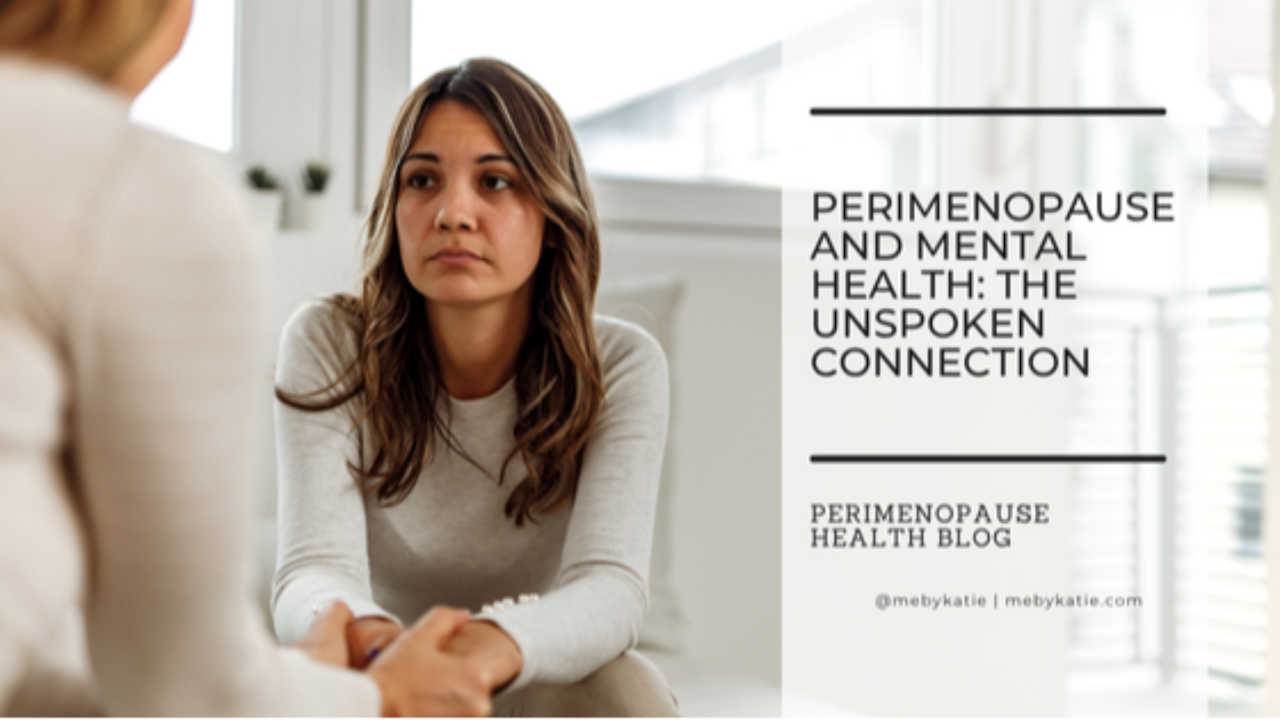
Perimenopause and Mental Health: The Unspoken Connection
Aug 20, 2026Today, we're diving into a topic that is often overlooked or stigmatized, but that is so crucial for our overall health and well-being during perimenopause: the connection between hormonal changes and mental health.
As we navigate the physical and emotional shifts of this transition, it's common to experience a range of mental health symptoms, from mood swings and irritability to anxiety and depression. In fact, research has shown that women are at a higher risk for developing depression during perimenopause than at any other time in their lives.
But despite how common these experiences are, many women suffer in silence, feeling ashamed, alone, or like they're "going crazy." Today, I want to break that silence and offer some insights, strategies, and support for navigating mental health during perimenopause.
The Hormone-Mood Connection
First, let's explore the biological connection between hormonal changes and mood. During perimenopause, our estrogen and progesterone levels can fluctuate wildly before eventually declining. These hormones play a key role in regulating our brain chemistry and emotional regulation.
Estrogen, in particular, has a complex relationship with serotonin, a neurotransmitter that helps regulate mood, sleep, and appetite. When estrogen levels are high, serotonin production increases, which can lead to feelings of well-being and happiness. But when estrogen levels drop, so does serotonin, which can contribute to feelings of sadness, irritability, and anxiety.
Progesterone, often called the "calming hormone," also has mood-stabilizing effects. When progesterone levels are low, as they often are during perimenopause, we may feel more anxious, stressed, or emotionally reactive.
But hormones aren't the only factor at play. The physical symptoms of perimenopause, like hot flashes, night sweats, and sleep disturbances, can also take a toll on our mental health. Chronic sleep deprivation can exacerbate mood issues and make it harder to cope with stress and challenges.
Moreover, the psychosocial changes that often accompany perimenopause, such as shifts in relationships, careers, and caregiving roles, can also impact our mental and emotional well-being. It's a lot to navigate all at once, and it's no wonder that so many women struggle with their mental health during this time.
Strategies for Supporting Mental Health
So, what can we do to support our mental health during perimenopause?
Here are some strategies to consider:
- Prioritize self-care: Make time for activities and practices that nourish your mind, body, and spirit. This might include exercise, meditation, spending time in nature, engaging in creative pursuits, or simply taking a relaxing bath.
- Build a support network: Surround yourself with people who understand and validate your experiences. This might include friends, family members, a therapist, or a support group for women in perimenopause.
- Practice stress management: Engage in activities that help you manage stress and build resilience, such as deep breathing, progressive muscle relaxation, or journaling.
- Maintain a healthy lifestyle: Eat a nutrient-dense diet, stay hydrated, limit alcohol and caffeine, and prioritize good sleep hygiene. Taking care of your physical health can have a profound impact on your mental well-being.
- Consider therapy: Working with a therapist who specializes in women's mental health can provide valuable support, tools, and strategies for managing mood symptoms and building emotional resilience.
- Explore medication options: In some cases, hormonal or non-hormonal medications may help manage severe or persistent mood symptoms. Talk to your healthcare provider about the risks and benefits of different options.
Remember, there is no shame in struggling with your mental health during perimenopause. It's a normal and understandable response to a significant life transition. What matters is that you reach out for support and take steps to care for yourself along the way.
Breaking the Stigma
Ladies, one of the most important things we can do for our collective mental health is to break the stigma and silence around perimenopause and mental health.
This means:
- Sharing our stories: Talking openly and honestly about our experiences, struggles, and triumphs. The more we normalize these conversations, the less alone and ashamed we will feel.
- Challenging myths and misconceptions: Pushing back against the idea that perimenopause is just a "natural" part of aging that we should suffer through silently. Advocating for better education, research, and support for women's health and well-being.
- Seeking and offering support: Reaching out for help when we need it, and offering compassion and validation to other women who are struggling. Building a community of mutual care and empowerment.
- Embracing our resilience: Recognizing and celebrating our strength, wisdom, and adaptability as we navigate this transformative time. Trusting in our innate capacity for growth, healing, and joy.
Remember, you are not alone in this journey. You are part of a powerful sisterhood of women who are facing similar challenges and triumphs. Together, we can break the silence, shatter the stigma, and support each other in cultivating mental and emotional well-being during perimenopause and beyond.
So, be gentle with yourself, reach out for support, and trust in your own inner wisdom and resilience. You've got this, ladies. And we've got each other.
Content Copyright © 2026, MBK Cultivate Skin & Nutrition Wellness
PERMISSION TO REPRINT: You may use any items from this article in your print, blog, magazine, or electronic newsletter. However, you must include the following paragraph, which should contain a link to www.mebykatie.com.
"Information courtesy of www.mebykatie.com; Katie Marshall is a certified Medical Esthetician, Acne Specialist, Functional Nutrition Counselor, Holistic Chef, and Integrative Nutrition Health Coach. Specializing in skin health, gut health, hormone health, and the whole body. The basic premise is that functional nutrition addresses the root cause and resolves it. This differs from conventional medicine, which often prescribes multiple medications to address symptoms without addressing their underlying causes. Functional nutrition is more personalized, holistic, and customized. My job is to work with your medical team and advocate for you if necessary."
Health/Medical Disclaimer:
The content of MBK Cultivate Skin & Nutrition Wellness, either through these social media pages, websites, or any other materials distributed by MBK Cultivate Skin & Nutrition Wellness, is intended to provide helpful and informative material. Please note that my personal and professional opinions expressed on these social media pages and websites are entirely my own. This site provides information on skin, diet, fitness, health, and nutrition, and is intended in good faith for educational purposes only. Care has been taken to confirm the accuracy of the information and describe generally accepted practices. However, the authors, editors, and publishers are not responsible for errors, omissions, or any consequences from the application of the information in these publications and make no warranty, expressed or implied, concerning the currency, completeness, or accuracy of the publication's contents. It would be best not to rely on this information as a substitute for professional medical advice, diagnosis, or treatment.
I, Katie Marshall, am not a doctor or medical provider and do not provide medical advice. Readers are advised to research and make decisions in partnership with their healthcare provider.
If you are pregnant, nursing, have a medical condition(s), or take any medication(s), please consult your family physician.
Always consult your family physician or other qualified healthcare providers with any questions you may have regarding a medical condition. Never disregard professional medical advice or delay seeking it because of something you read on my social media pages or websites.
If you have a medical emergency, call your family physician, go to the nearest emergency department, or call 911 immediately. Reliance on any information provided by MBK Cultivate Skin & Nutrition Wellness or Katie Marshall, or on content presented for publication on these social media pages or websites, is solely at your own risk. Administrators and Moderators are not liable for your actions.
Health Canada & FDA Disclaimer:
Neither Health Canada nor the Food and Drug Administration has evaluated the advice and statements on this page.
Being HEALTHY Doesn't Have to Be Hard!
Get the free 5-Day Hormone Detox:
Free for Estheticians
The Holistic Acne Business Checklist for Estheticians
A business-building guide for estheticians who want to support acne clients with more than products, protocols, and guesswork.
In accordance with federal regulations (CASL), please only provide your email address if you are consenting to receive future emails from MBK Cultivate Skin & Nutrition Wellness regarding news, coaching, programs and skincare products. You will have the opportunity to unsubscribe at any time and your email address will not be shared or sold.

Your diet is integral to hormone health, especially by regulating your gut health, which can have an effect on your skin and mental health.