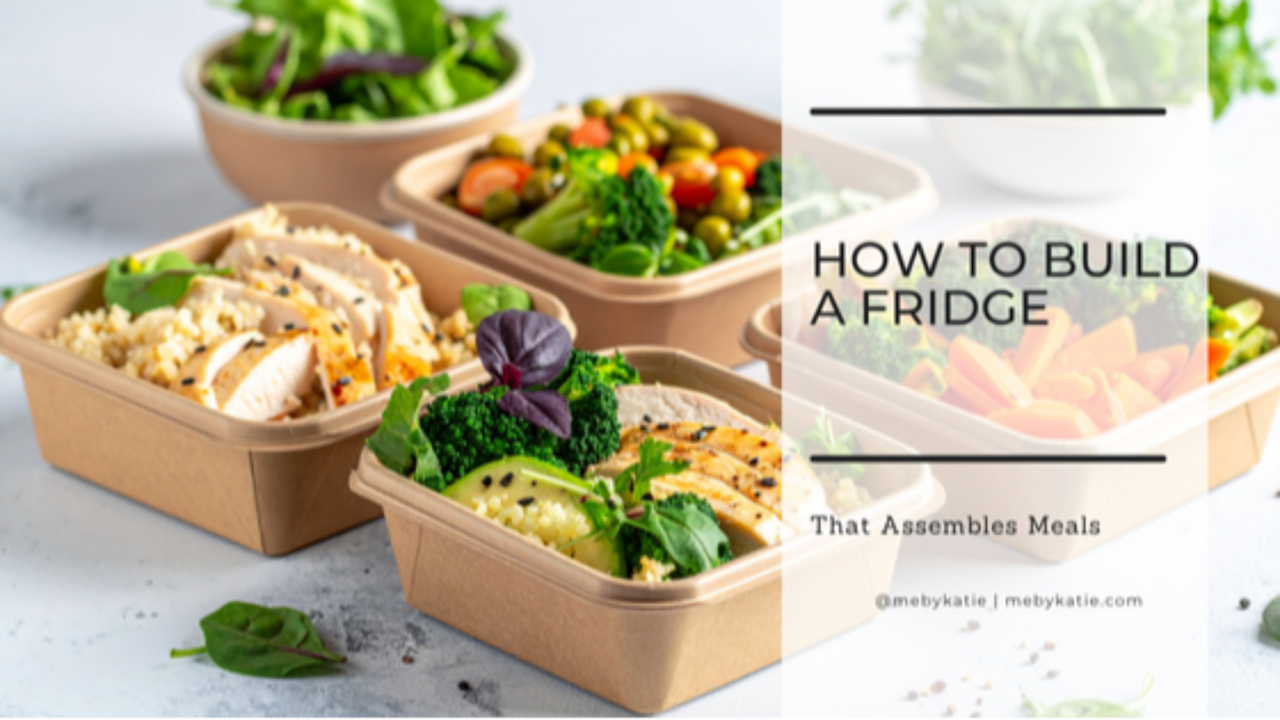
How to Build a Fridge That Assembles Meals
Jul 29, 2026A fridge full of ingredients still requires significant work to turn into a meal, which is why many people stand in front of a stocked refrigerator and order takeout anyway. The difference between a fridge that supports easy eating and one that just stores food comes down to how the contents are prepared and organized rather than how much produce you bought at the store. Setting up a fridge to assemble meals rather than serve as raw material involves a handful of small habits that take less time than people often expect. The result is a kitchen where pulling together something balanced becomes the path of least resistance even on the busiest weeknights.
Here are six things worth doing to turn your fridge into a meal-assembling system.
1. Cook Proteins in Bulk at the Start of the Week
The protein on your plate is usually the most time-consuming component to cook, which means having protein already prepared removes the biggest obstacle to assembling a quick meal. Cooking a few proteins at once, like roasting a tray of chicken thighs, hard-boiling a dozen eggs, browning a pound of ground turkey, and keeping canned salmon or tuna on hand, gives you several options to layer into meals all week. Storing these in clear containers at eye level keeps them visible and easy to grab when energy is low.
2. Keep Cooked Grains and Starches Ready to Go
A container of cooked quinoa, brown rice, roasted sweet potatoes, or whole grain pasta turns half-built meals into complete ones in seconds. Cooking a large batch of grains once or twice a week takes about twenty minutes of mostly hands-off time and saves countless minutes throughout the week. Having a starch already prepared lets you focus the actual cooking moment on warming things up and adding the elements that make the meal feel fresh, rather than waiting for grains to finish.
3. Wash, Chop, and Display Vegetables Where You Can See Them
Vegetables tucked away in the crisper drawer often expire before they get used, while vegetables prepped and visible tend to disappear quickly. Spending fifteen minutes after grocery shopping washing and chopping vegetables transforms how often they make it onto plates throughout the week. Storing cut bell peppers, cucumber sticks, washed lettuce, halved cherry tomatoes, and roasted vegetables in clear glass containers at eye level makes them the easy choice when assembling a meal or grabbing a snack.
4. Build a Small Library of Sauces and Dressings
The same protein, grain, and vegetable combination can taste completely different depending on what sauce ties it together, which means a small collection of flavorful condiments multiplies the meals you can build from the same ingredients. Keeping options like tahini lemon dressing, peanut sauce, chimichurri, pesto, and a quick yogurt-herb sauce in the fridge turns plain components into satisfying meals. Either making these in advance or buying quality versions from the store serves the same purpose, and rotating through different sauces prevents flavor fatigue.
5. Group Components by Meal Type Rather Than Food Category
Organizing the fridge by what gets eaten together rather than by traditional food groups makes assembling meals faster. A shelf dedicated to breakfast components, another holding lunch and dinner proteins and sauces, and a vegetable area at eye level reduces the time spent staring into the fridge wondering what to make. This zoning approach turns the fridge into something closer to a fast-casual restaurant prep line, where the elements of a meal are within easy reach of each other.
6. Refill the System at a Consistent Time Each Week
The fridge-as-system approach works only when the components actually get restocked, which means dedicating a regular slot for the prep work that keeps it running. A Sunday afternoon, a Monday evening, or whatever fits your schedule provides a consistent rhythm for cooking proteins, prepping vegetables, making sauces, and resetting the fridge for the week ahead. Treating this prep time as a non-negotiable rather than an aspiration is what keeps the system functional and prevents the gradual drift back to a fridge that just stores ingredients.
Building a fridge that assembles meals comes down to a handful of habits practiced consistently, with the upfront prep work paying off in faster, more nourishing meals throughout the entire week. The components matter less than the readiness, and having proteins cooked, grains prepared, vegetables visible, and sauces ready transforms cooking from a daily decision into a simple assembly process. Setting aside a regular prep slot, investing in clear containers that support visibility, and resisting the urge to buy ingredients without a plan for how they will reach a plate all contribute to a kitchen that supports rather than complicates eating well. The shift from storing to assembling is what makes balanced meals genuinely sustainable on the busiest weeks.
Content Copyright © 2026, MBK Cultivate Skin & Nutrition Wellness
PERMISSION TO REPRINT: You may use any items from this article in your print, blog, magazine, or electronic newsletter. However, you must include the following paragraph, which should contain a link to www.mebykatie.com.
"Information courtesy of www.mebykatie.com; Katie Marshall is a certified Medical Esthetician, Acne Specialist, Functional Nutrition Counselor, Holistic Chef, and Integrative Nutrition Health Coach. Specializing in skin health, gut health, hormone health, and the whole body. The basic premise is that functional nutrition addresses the root cause and resolves it. This differs from conventional medicine, which often prescribes multiple medications to address symptoms without addressing their underlying causes. Functional nutrition is more personalized, holistic, and customized. My job is to work with your medical team and advocate for you if necessary."
Health/Medical Disclaimer:
The content of MBK Cultivate Skin & Nutrition Wellness, either through these social media pages, websites, or any other materials distributed by MBK Cultivate Skin & Nutrition Wellness, is intended to provide helpful and informative material. Please note that my personal and professional opinions expressed on these social media pages and websites are entirely my own. This site provides information on skin, diet, fitness, health, and nutrition, and is intended in good faith for educational purposes only. Care has been taken to confirm the accuracy of the information and describe generally accepted practices. However, the authors, editors, and publishers are not responsible for errors, omissions, or any consequences from the application of the information in these publications and make no warranty, expressed or implied, concerning the currency, completeness, or accuracy of the publication's contents. It would be best not to rely on this information as a substitute for professional medical advice, diagnosis, or treatment.
I, Katie Marshall, am not a doctor or medical provider and do not provide medical advice. Readers are advised to research and make decisions in partnership with their healthcare provider.
If you are pregnant, nursing, have a medical condition(s), or take any medication(s), please consult your family physician.
Always consult your family physician or other qualified healthcare providers with any questions you may have regarding a medical condition. Never disregard professional medical advice or delay seeking it because of something you read on my social media pages or websites.
If you have a medical emergency, call your family physician, go to the nearest emergency department, or call 911 immediately. Reliance on any information provided by MBK Cultivate Skin & Nutrition Wellness or Katie Marshall, or on content presented for publication on these social media pages or websites, is solely at your own risk. Administrators and Moderators are not liable for your actions.
Health Canada & FDA Disclaimer:
Neither Health Canada nor the Food and Drug Administration has evaluated the advice and statements on this page.
Being HEALTHY Doesn't Have to Be Hard!
Get the free 5-Day Hormone Detox:
Free for Estheticians
The Holistic Acne Business Checklist for Estheticians
A business-building guide for estheticians who want to support acne clients with more than products, protocols, and guesswork.
In accordance with federal regulations (CASL), please only provide your email address if you are consenting to receive future emails from MBK Cultivate Skin & Nutrition Wellness regarding news, coaching, programs and skincare products. You will have the opportunity to unsubscribe at any time and your email address will not be shared or sold.

Your diet is integral to hormone health, especially by regulating your gut health, which can have an effect on your skin and mental health.