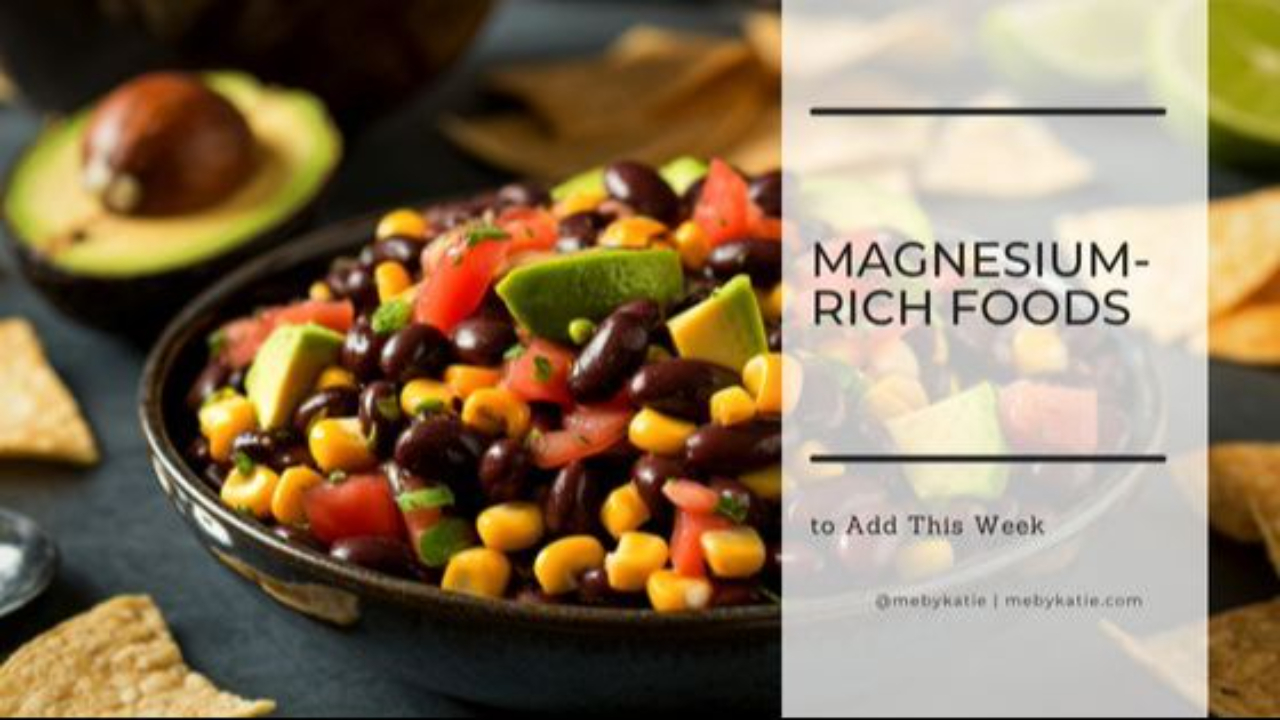
Magnesium-Rich Foods to Add This Week
May 13, 2026Magnesium is involved in hundreds of processes throughout the body, from muscle function and energy production to blood sugar regulation and nervous system balance. Despite its importance, many people consume less magnesium than their bodies require, and modern dietary patterns often fail to provide adequate amounts. Soil depletion has reduced the magnesium content of many foods over time, and processed foods contain significantly less of this mineral than whole food alternatives. Meanwhile, stress, caffeine, alcohol, and certain medications can increase magnesium excretion, creating a gap between what the body uses and what gets replaced through food.
Signs that magnesium intake may be insufficient include muscle cramps or twitches, difficulty sleeping, feeling wired but tired, chocolate cravings, headaches, and heightened stress sensitivity. While these symptoms can have multiple causes, ensuring adequate magnesium intake from dietary sources is a reasonable starting point that supports overall health, regardless of whether a deficiency is present.
Here are 10 magnesium-rich foods to incorporate into your meals this week, along with practical suggestions for enjoying each one.
1. Pumpkin Seeds
Pumpkin seeds rank among the most concentrated food sources of magnesium, with just a quarter cup providing a substantial portion of daily requirements. Their mild, slightly nutty flavor makes them versatile enough to sprinkle on salads, blend into smoothies, add to oatmeal, or simply eat by the handful as a snack. Keeping a bag of pumpkin seeds in your pantry makes it easy to boost the magnesium content of almost any meal with minimal effort.
2. Dark Chocolate
Quality dark chocolate with a high cacao percentage contains meaningful amounts of magnesium along with other minerals and antioxidants. Choosing chocolate with 70 percent cacao or higher provides the most benefit while limiting added sugar. A small square or two after dinner satisfies the desire for something sweet while contributing to mineral intake in a way that feels like a treat rather than a health obligation.
3. Spinach and Other Leafy Greens
Dark leafy greens, including spinach, Swiss chard, and beet greens, are excellent sources of magnesium. Cooking these greens allows you to consume a larger volume than you would with raw greens, increasing the total magnesium you obtain per serving. Sautéing spinach with garlic and olive oil as a side dish, adding it to soups, or including it in egg scrambles are all simple ways to increase your intake.
4. Almonds and Cashews
Nuts provide magnesium, along with protein and healthy fats, making them satisfying snacks that help stabilize blood sugar. Almonds and cashews contain particularly notable amounts of magnesium. Enjoying a handful as an afternoon snack, adding them to stir-fries, or using nut butters on toast or with fruit make these foods easy to incorporate into existing eating patterns.
5. Black Beans
Legumes offer magnesium alongside fiber and plant-based protein, making them a nutrient-dense food that supports gut health while boosting mineral intake. Black beans work well in tacos, grain bowls, soups, and salads. Canned black beans provide convenience without significant nutritional compromise, making them accessible for busy weeknights.
6. Avocado
Beyond their healthy fat content, avocados provide a respectable amount of magnesium per serving. Adding avocado to toast, salads, grain bowls, or smoothies contributes both magnesium and the creamy satisfaction that makes meals feel complete. The fat in avocados also supports the absorption of fat-soluble vitamins from other foods consumed at the same meal.
7. Salmon and Mackerel
Fatty fish provide magnesium, omega-3 fatty acids, and high-quality protein, making them nutritional powerhouses that support multiple aspects of health simultaneously. Baked salmon with vegetables, canned mackerel on crackers, or salmon patties all provide convenient ways to include these fish in weekly meal rotations.
8. Bananas
While not the most concentrated source of magnesium, bananas provide meaningful amounts of potassium, which works synergistically with magnesium for muscle and nerve function. Their portability makes them ideal snacks, and their natural sweetness works well in smoothies or sliced over oatmeal and yogurt.
9. Quinoa
This ancient grain provides more magnesium than many other grain options while also offering complete protein containing all essential amino acids. Using quinoa as a base for grain bowls, as a side dish in place of rice, or as an addition to salads increases magnesium intake while providing versatile meal foundations.
10. Edamame
Young soybeans in the pod contain substantial amounts of magnesium, along with protein and fiber. Edamame works as a snack on its own with a sprinkle of sea salt, as an addition to grain bowls and salads, or as a side dish accompanying Asian-inspired meals. Frozen edamame steams in just a few minutes, making it a quick option for busy days.
Incorporating several of these foods throughout the week provides magnesium from varied sources, which also ensures you benefit from the different nutrients each food offers beyond magnesium alone. Rather than focusing on a single food, build meals and snacks that regularly include options from this list to maintain consistent magnesium intake, which supports the many body systems that depend on this essential mineral.
Content Copyright © 2026, MBK Cultivate Skin & Nutrition Wellness
PERMISSION TO REPRINT: You may use any items from this article in your print, blog, magazine, or electronic newsletter. However, you must include the following paragraph, which should contain a link to www.mebykatie.com.
"Information courtesy of www.mebykatie.com; Katie Marshall is a certified Medical Esthetician, Acne Specialist, Functional Nutrition Counselor, Holistic Chef, and Integrative Nutrition Health Coach. Specializing in skin health, gut health, hormone health, and the whole body. The basic premise is that functional nutrition addresses the root cause and resolves it. This differs from conventional medicine, which often prescribes multiple medications to address symptoms without addressing their underlying causes. Functional nutrition is more personalized, holistic, and customized. My job is to work with your medical team and advocate for you if necessary."
Health/Medical Disclaimer:
The content of MBK Cultivate Skin & Nutrition Wellness, either through these social media pages, websites, or any other materials distributed by MBK Cultivate Skin & Nutrition Wellness, is intended to provide helpful and informative material. Please note that my personal and professional opinions expressed on these social media pages and websites are entirely my own. This site provides information on skin, diet, fitness, health, and nutrition, and is intended in good faith for educational purposes only. Care has been taken to confirm the accuracy of the information and describe generally accepted practices. However, the authors, editors, and publishers are not responsible for errors, omissions, or any consequences from the application of the information in these publications and make no warranty, expressed or implied, concerning the currency, completeness, or accuracy of the publication's contents. It would be best not to rely on this information as a substitute, nor does it replace professional medical advice, diagnosis, or treatment.
I, Katie Marshall, am not a doctor or medical provider and do not provide medical advice. Readers are advised to research and make decisions in partnership with their healthcare provider.
If you are pregnant, nursing, have a medical condition(s), or take any medication(s), please consult your family physician.
Always consult your family physician or other qualified healthcare providers with any questions you may have regarding a medical condition. Never disregard professional medical advice or delay seeking it because of something you read on my social media pages or websites.
If you have a medical emergency, call your family physician, go to the nearest emergency department, or call 911 immediately. Reliance on any information provided by MBK Cultivate Skin & Nutrition Wellness or Katie Marshall, or on content presented for publication on these social media pages or websites, is solely at your own risk. Administrators and Moderators are not liable for your actions.
Health Canada & FDA Disclaimer:
Neither Health Canada nor the Food and Drug Administration has evaluated the advice and statements on this page.
Being HEALTHY Doesn't Have to Be Hard!
Get the free 5-Day Hormone Detox:
Free for Estheticians
The Holistic Acne Business Checklist for Estheticians
A business-building guide for estheticians who want to support acne clients with more than products, protocols, and guesswork.
In accordance with federal regulations (CASL), please only provide your email address if you are consenting to receive future emails from MBK Cultivate Skin & Nutrition Wellness regarding news, coaching, programs and skincare products. You will have the opportunity to unsubscribe at any time and your email address will not be shared or sold.

Your diet is integral to hormone health, especially by regulating your gut health, which can have an effect on your skin and mental health.