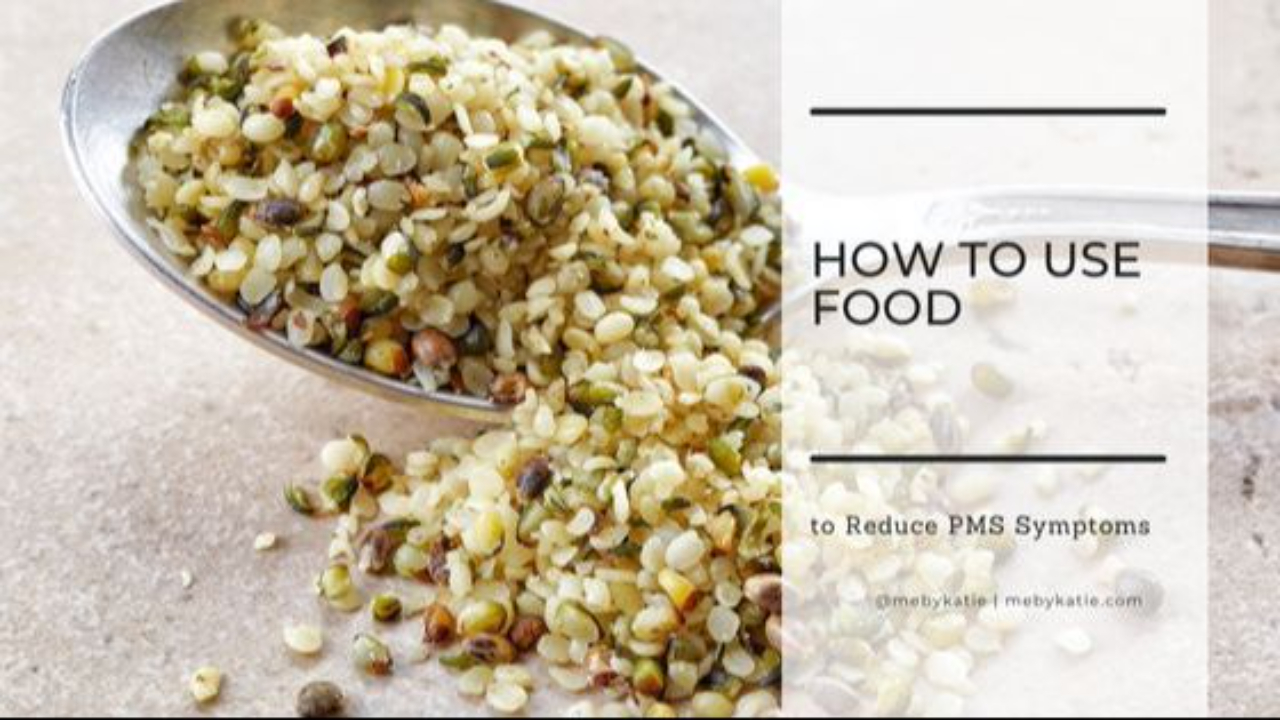
How to Use Food to Reduce PMS Symptoms
Apr 15, 2026PMS can feel confusing because it rarely presents the same way every month. Some cycles arrive with irritability and brain fog, while others feel more physical, manifesting as bloating, breast tenderness, intense cravings, headaches, or sleep that suddenly stops being restful. Food cannot fix hormones overnight, but it can support the systems that influence how intense those days feel, particularly when patterns are consistent for the few weeks leading up to your period.
Here are ten practical, food-based approaches to reducing PMS symptoms.
1. Build steadier blood sugar during the luteal phase
In the second half of the cycle, many women feel hungrier and more sensitive to going extended periods without eating. Blood sugar dips can manifest as anxiety, shakiness, intense cravings, or that edgy feeling where everything seems unreasonably annoying.
A simple structure that tends to help is combining protein, fiber, and fat at meals and including a substantial snack if there's a long gap between meals. Greek yogurt with blueberries and chia seeds works well, as does an apple with peanut butter or cheese with whole-grain crackers.
2. Prioritize magnesium-rich foods daily
Magnesium is involved in muscle relaxation, fluid balance, mood regulation, and sleep quality. Many people don't get enough through typical eating patterns, and PMS tends to highlight that gap through symptoms like cramping, tension, and poor sleep.
Foods that contribute meaningful amounts include pumpkin seeds, almonds, cashews, black beans, lentils, spinach, cocoa powder, edamame, and quinoa. A practical approach might be to stir pumpkin seeds into yogurt or to make cocoa chia pudding with your milk of choice.
3. Include omega-3 fats from actual meals
Omega-3 fatty acids may support a healthy inflammatory balance, which can matter when PMS presents as cramps, achiness, breast tenderness, or headaches. Helpful sources include salmon, sardines, trout, anchovies, and canned salmon.
If fish isn't realistic, chia seeds, ground flax, walnuts, and hemp hearts provide plant-based alternatives. Plant sources convert less efficiently to the active forms the body uses, so consistency throughout the month matters more than occasional perfect intake.
4. Add one calcium-rich food each day
Calcium serves functions beyond bone health, including supporting neurotransmitter activity, which may be relevant to mood-related PMS symptoms in some women. Easy ways to incorporate it include Greek yogurt, kefir, milk, cottage cheese, calcium-fortified plant milk, tofu made with calcium sulfate, and canned salmon with bones.
If dairy doesn't sit well, calcium-fortified plant milk added to oatmeal or smoothies is often the most practical alternative.
5. Use complex carbohydrates strategically rather than fighting cravings
Cravings often get framed as a willpower issue when they frequently have physiological underpinnings. Carbohydrates influence serotonin production, and the luteal phase may be associated with a genuinely higher need for them.
Carbohydrates that tend to support energy and mood without producing a crash include oats, potatoes, sweet potatoes, quinoa, brown rice, beans, lentils, and sourdough bread. Adding a starchy carbohydrate at dinner and observing whether sleep quality and nighttime snacking improve can provide useful information about whether this adjustment helps your particular pattern.
6. Support digestion to reduce bloating and pressure
PMS bloating isn't always about water retention. It can also reflect constipation, slower intestinal motility, or increased sensitivity to certain foods during that phase of the cycle.
Simple digestion-supportive foods include kiwis, cooked vegetables, chia seeds, ground flax, oats, warm soups, and fermented foods if they're well tolerated. Sometimes raw salads and protein bars add bulk without providing relief, particularly when stress is elevated.
7. Increase potassium-rich foods when puffiness appears
When the body feels swollen or tight in rings and clothing, sodium often gets blamed exclusively, but potassium intake matters as well for fluid balance.
Potassium-rich options include bananas, oranges, potatoes, sweet potatoes, white beans, yogurt, avocado, and coconut water. This approach is often most effective when paired with steady hydration throughout the day.
8. Be thoughtful about caffeine in the final week
Some women tolerate coffee consistently throughout most of their cycle and suddenly feel jittery, teary, or more emotionally reactive in the days before their period. Rather than eliminating caffeine entirely, reducing volume often provides sufficient relief. A smaller coffee, an earlier cutoff time, or switching the second cup to tea can help without requiring complete elimination.
9. Ensure adequate B vitamins through food sources
B6, folate, and B12 support neurotransmitter pathways and energy metabolism, and insufficiencies can make PMS symptoms feel more pronounced.
Food sources include chicken, turkey, tuna, chickpeas, potatoes, bananas, leafy greens, eggs, and nutritional yeast. A practical way to build these is to structure lunch around a protein plus a carbohydrate, such as chicken with potatoes and greens or a chickpea bowl with quinoa.
10. Develop one PMS-supportive dinner you can repeat
The most useful meals during PMS are those that require minimal decision-making when mental energy is already depleted. Having one or two reliable options that cover multiple bases reduces the cognitive load of deciding what to eat.
Examples include salmon with rice and roasted broccoli drizzled with olive oil, ground turkey tacos with avocado and sautéed peppers, lentil soup with sourdough and a side of yogurt, or an egg roll bowl with rice and sesame oil.
Food can be one of the most steady supports during PMS, particularly when it's approached as a tool for creating stability rather than as another area requiring restriction or perfection. Small patterns repeated consistently throughout the cycle tend to produce more reliable results than a single perfect week followed by inconsistency.
Content Copyright © 2026, MBK Cultivate Skin & Nutrition Wellness
PERMISSION TO REPRINT: You may use any items from this article in your print, blog, magazine, or electronic newsletter. However, you must include the following paragraph, which should contain a link to www.mebykatie.com.
"Information courtesy of www.mebykatie.com; Katie Marshall is a certified Medical Esthetician, Acne Specialist, Functional Nutrition Counsellor, Holistic Chef, and Integrative Nutrition Health Coach. Specializing in skin health, gut health, hormone health, and the whole body. The basic premise is that functional nutrition addresses the root cause and resolves it. This differs from conventional medicine, which often prescribes multiple medications to address symptoms without addressing their underlying causes. Functional nutrition is more personalized, holistic, and customized. My job is to work with your medical team and advocate for you if necessary."
Health/Medical Disclaimer:
The content of MBK Cultivate Skin & Nutrition Wellness, either through these social media pages, websites, or any other materials distributed by MBK Cultivate Skin & Nutrition Wellness, is intended to provide helpful and informative material. Please note that my personal and professional opinions expressed on these social media pages and websites are entirely my own. This site provides information on skin, diet, fitness, health, and nutrition, and is intended in good faith for educational purposes only. Care has been taken to confirm the accuracy of the information and describe generally accepted practices. However, the authors, editors, and publishers are not responsible for errors, omissions, or any consequences from the application of the information in these publications and make no warranty, expressed or implied, concerning the currency, completeness, or accuracy of the publication's contents. It would be best not to rely on this information as a substitute, nor does it replace professional medical advice, diagnosis, or treatment.
I, Katie Marshall, am not a doctor or medical provider and do not provide medical advice. Readers are advised to research and make decisions in partnership with their healthcare provider.
If you are pregnant, nursing, have a medical condition(s), or take any medication(s), please consult your family physician.
Always consult your family physician or other qualified healthcare providers with any questions you may have regarding a medical condition. Never disregard professional medical advice or delay seeking it because of something you read on my social media pages or websites.
If you have a medical emergency, call your family physician, go to the nearest emergency department, or call 911 immediately. Reliance on any information provided by MBK Cultivate Skin & Nutrition Wellness or Katie Marshall, or on content presented for publication on these social media pages or websites, is solely at your own risk. Administrators and Moderators are not liable for your actions.
Health Canada & FDA Disclaimer:
Neither Health Canada nor the Food and Drug Administration has evaluated the advice and statements on this page.
Being HEALTHY Doesn't Have to Be Hard!
Get the free 5-Day Hormone Detox:
Free for Estheticians
The Holistic Acne Business Checklist for Estheticians
A business-building guide for estheticians who want to support acne clients with more than products, protocols, and guesswork.
In accordance with federal regulations (CASL), please only provide your email address if you are consenting to receive future emails from MBK Cultivate Skin & Nutrition Wellness regarding news, coaching, programs and skincare products. You will have the opportunity to unsubscribe at any time and your email address will not be shared or sold.

Your diet is integral to hormone health, especially by regulating your gut health, which can have an effect on your skin and mental health.